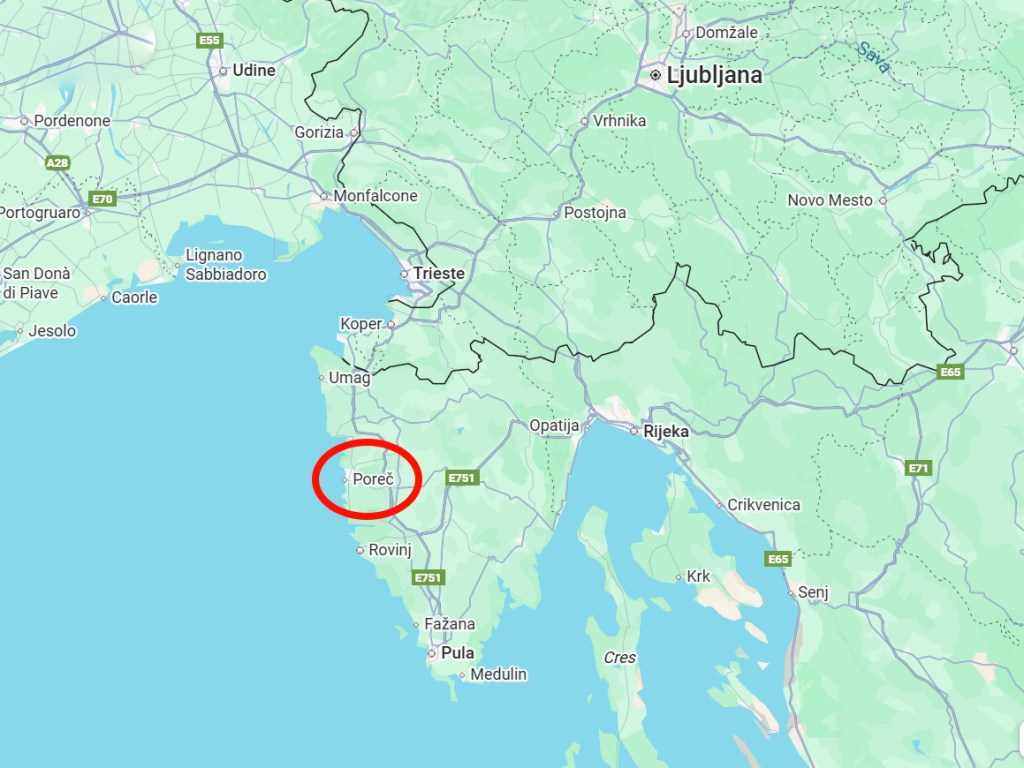
September 2025 saw us make another visit to Croatia. This time it was in the north, in the area at the border with Slovenia.
We decided to go by coach rather than flying. It did mean that there was no hassle with film and X-Ray scanners ruining it. 3 days drive through Belgium, Germany and Austria saw us arrive at our destination, Porec. We then had the coach there to take us around to various destinations which was great.
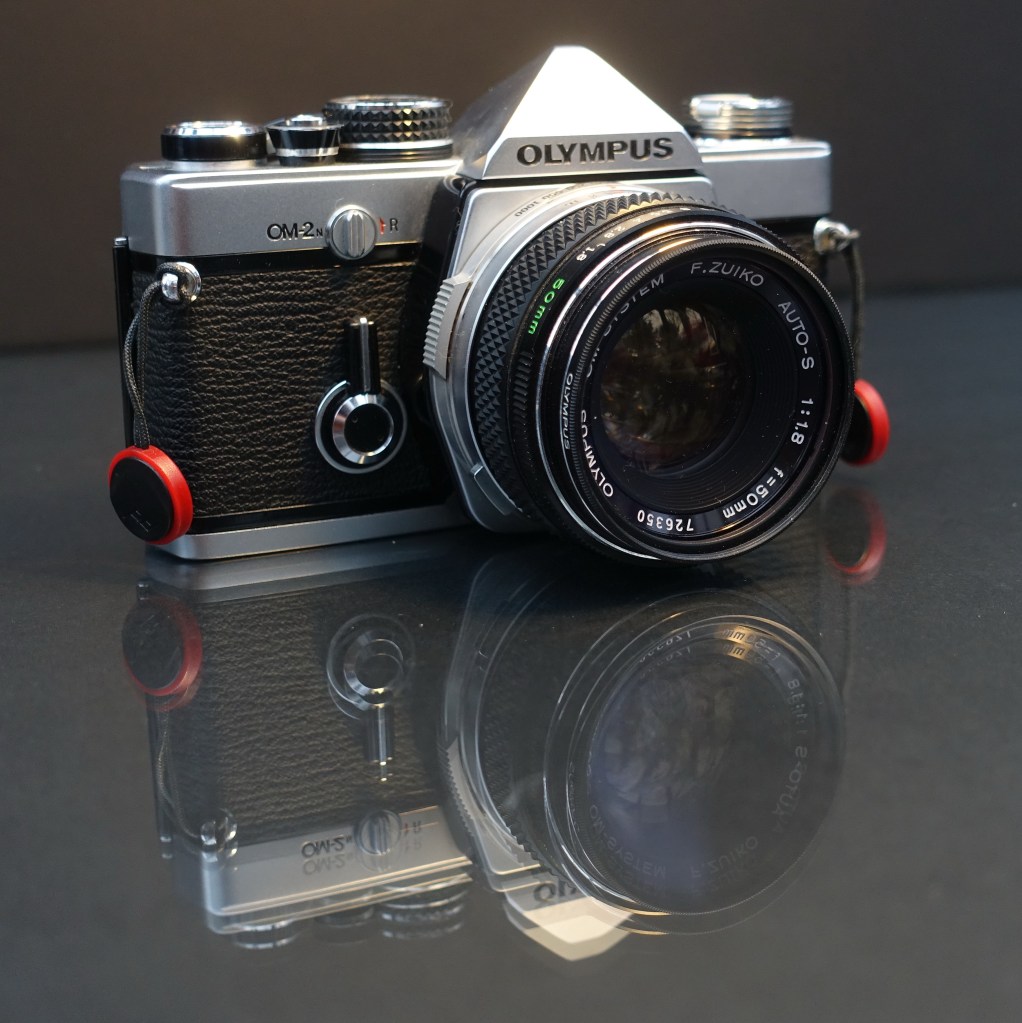
My kit for the holiday
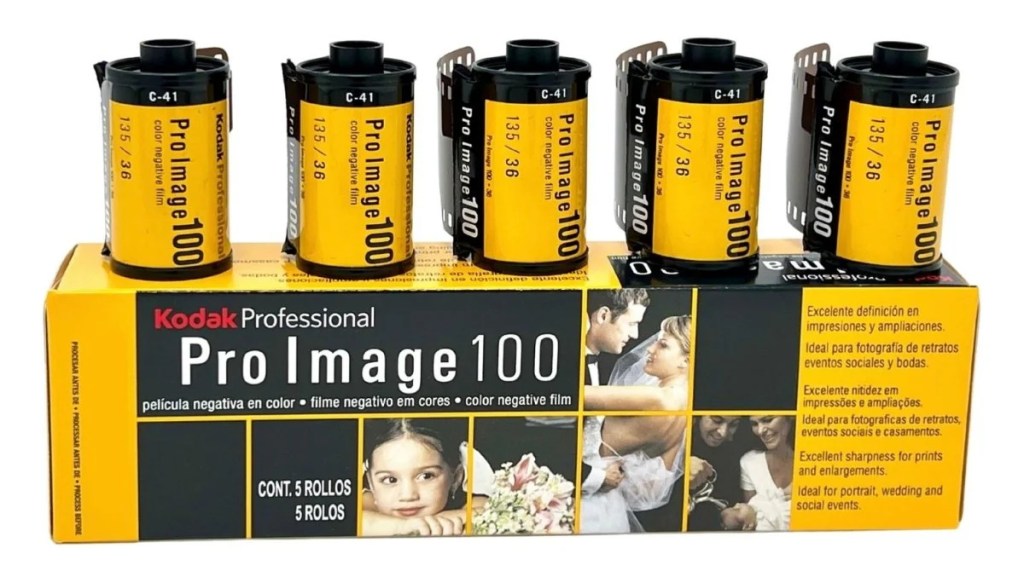
So, what kit did I take? the film was 5 rolls of Kodak Pro Image 100 courtesy of Analogue Wonderland. This turned out to be a great choice. It’s always difficult to choose what film to take but I thought that the bright conditions would be good for an iso 100 film. The camera was my Olympus OM2n and the 50mm f1.4 lens.
Day 4 – Porec
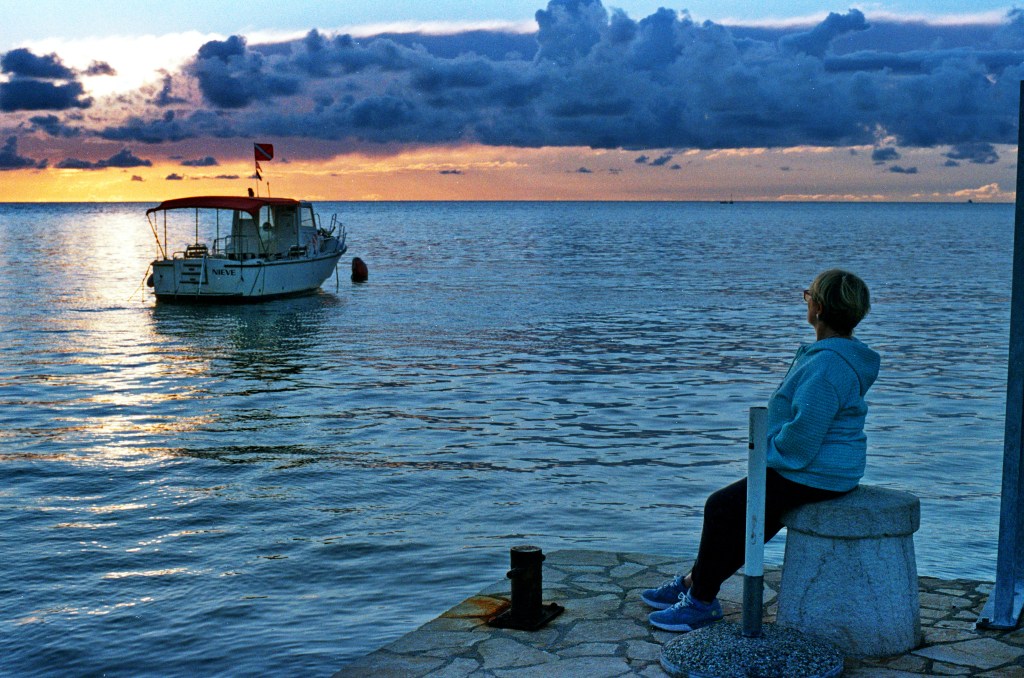
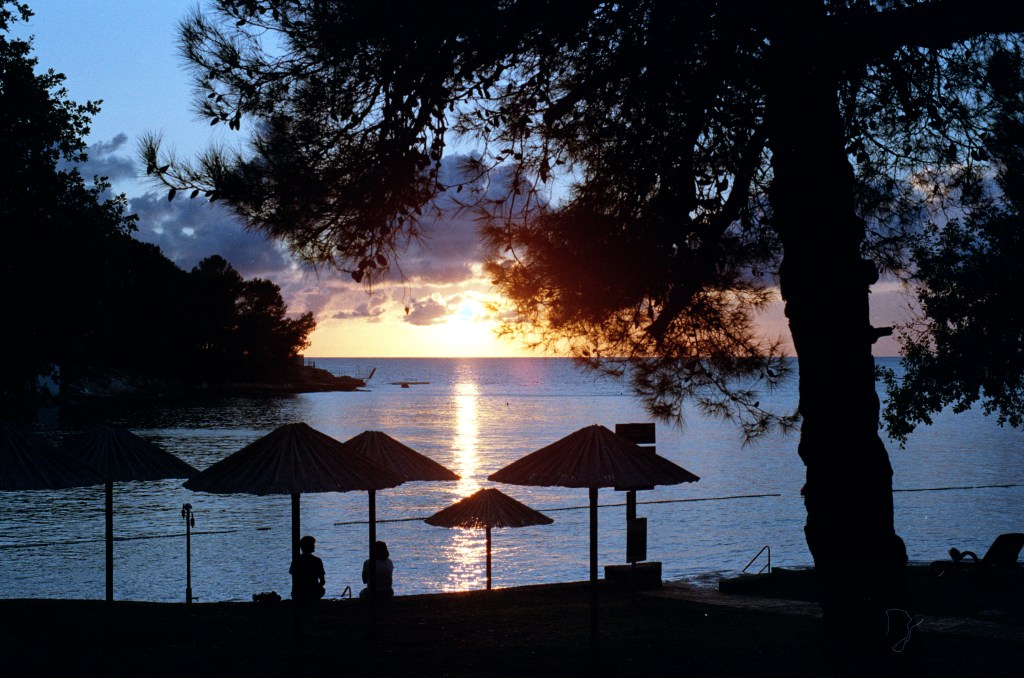
After arrival we had a bit of an explore down at the shoreline at the hotel. We got some great sunsets before retiring to our rooms.
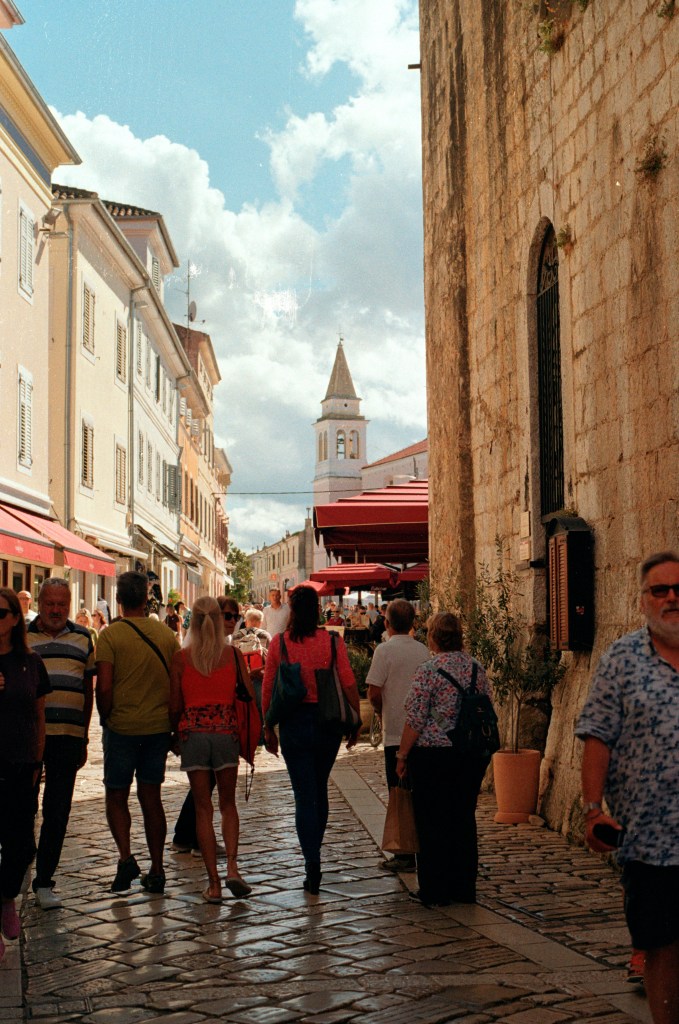
After a good night sleep in our hotel and a great breakfast we had a tour of the old town of Porec.
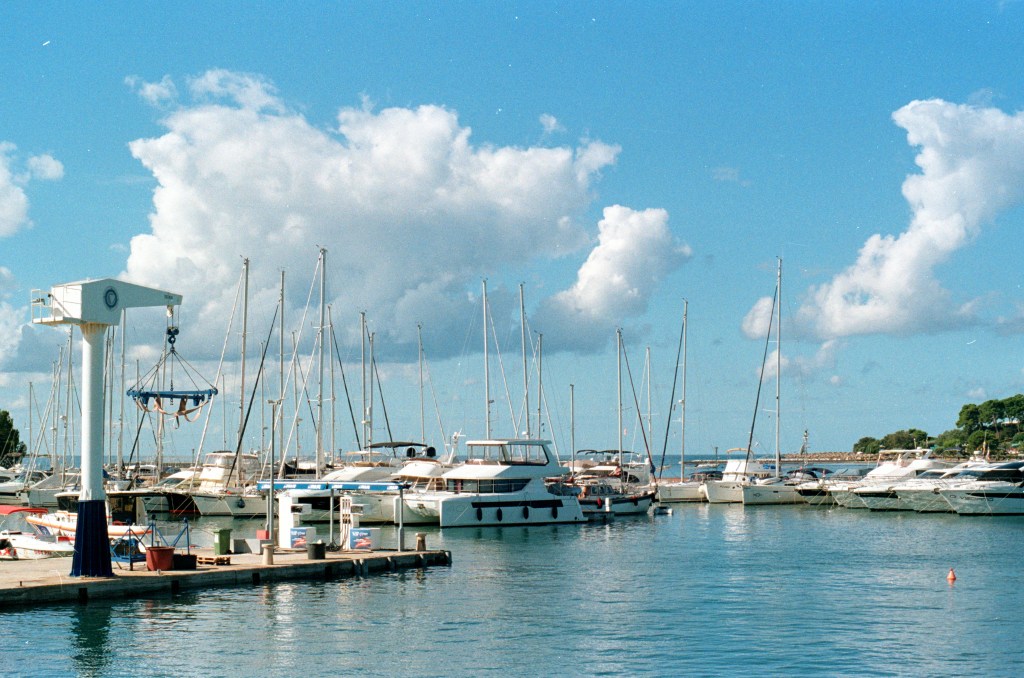
The city of Porec in Croatia is not only a beautiful coastal town, in summer it is also one of the most popular vacation destinations on the peninsula of Istria. The most important places to see in Porec include the stunning UNESCO World Heritage Old Town and the harbor waterfront.

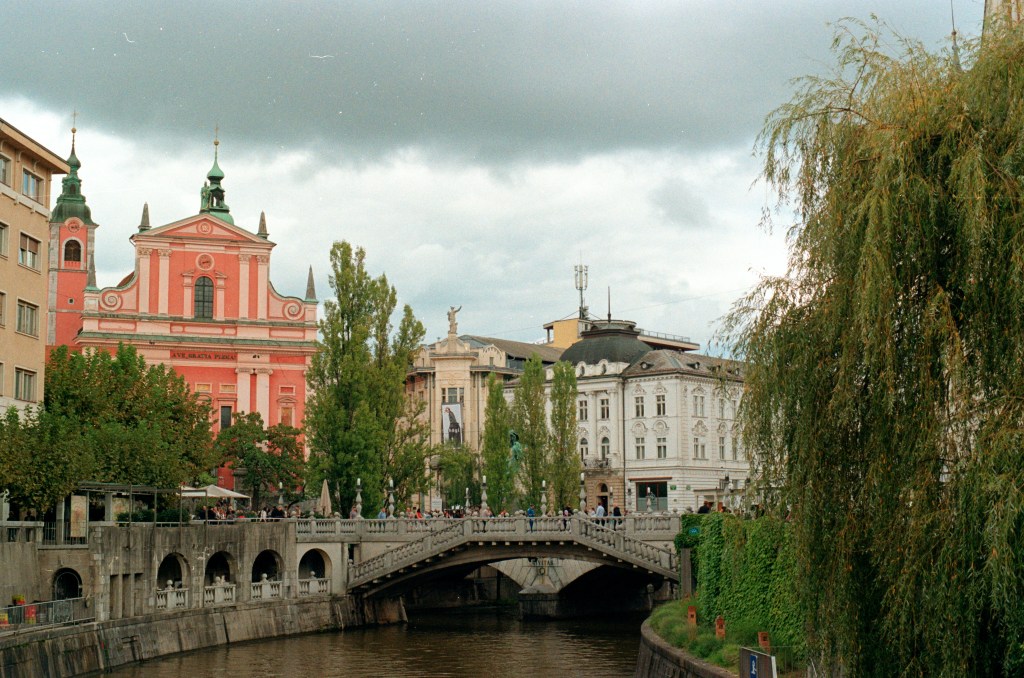
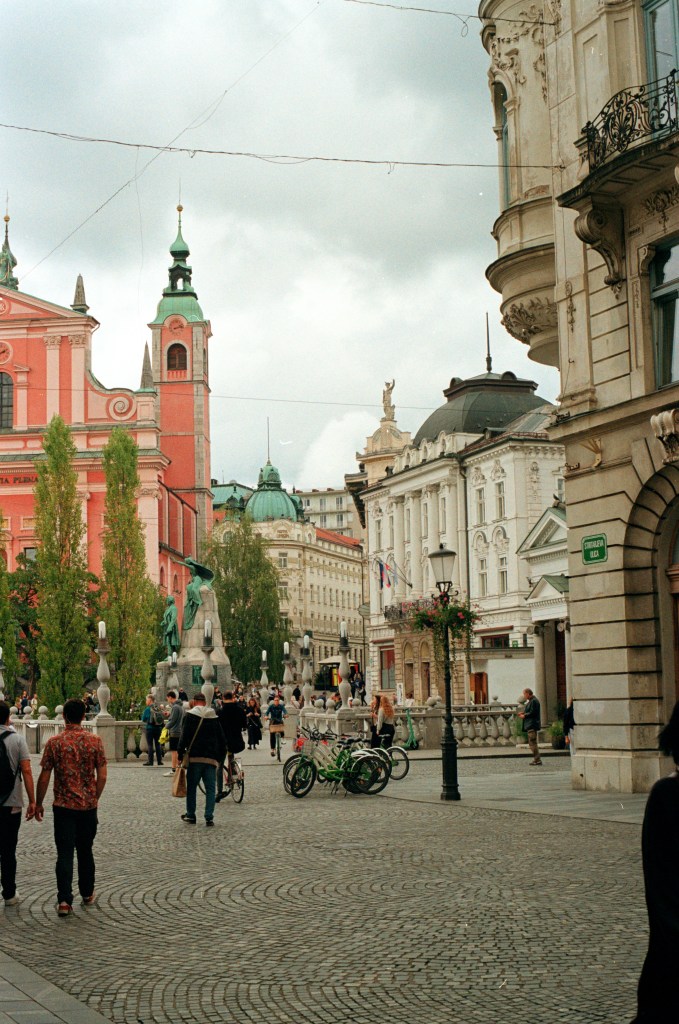
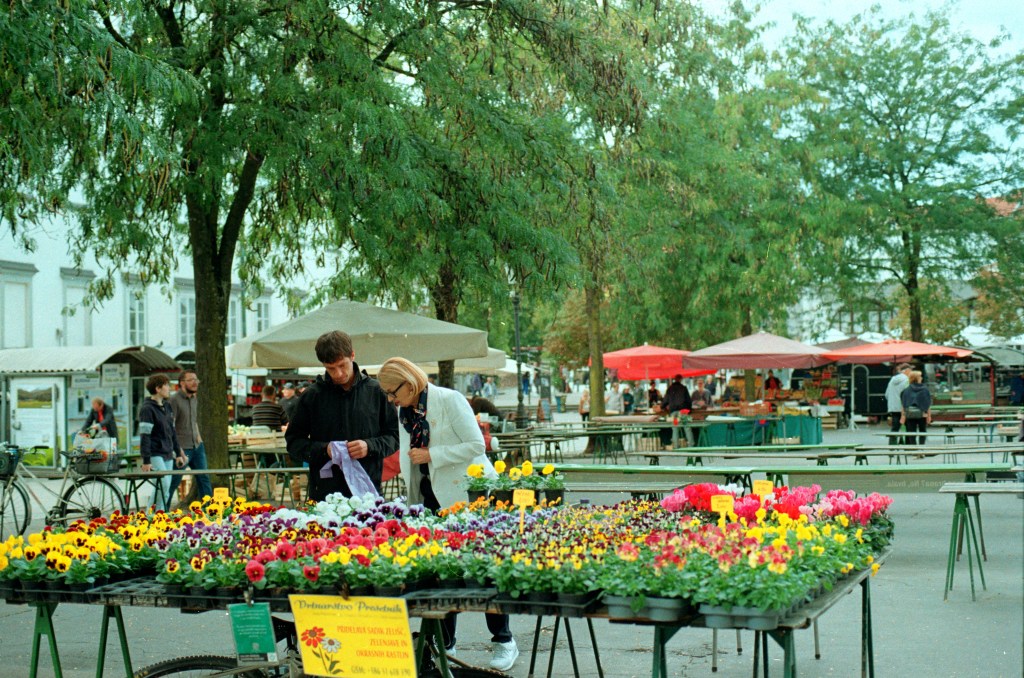
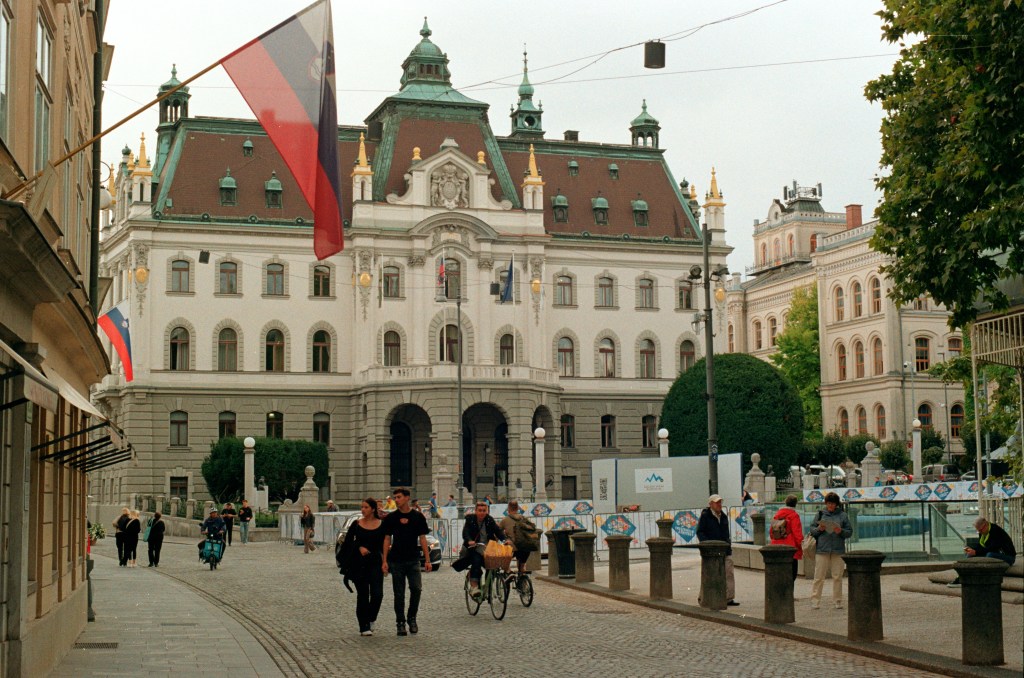
Day 5 – Ljubliana.
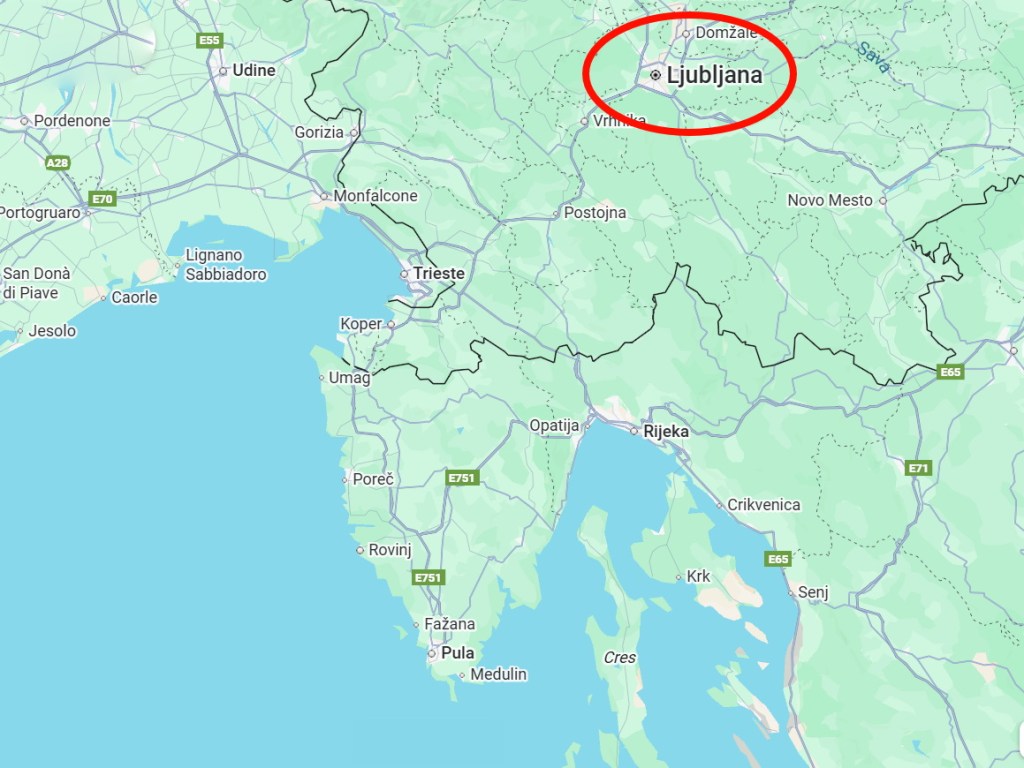
Ljubliana is the capital city of Slovenia. The city was developed by the Romans and is now a blend of Baroque churches and mansions overlooked by a medieval castle. The three bridges span the river Ljubljanica river.
Day 6 – Rovinj & Vrsar
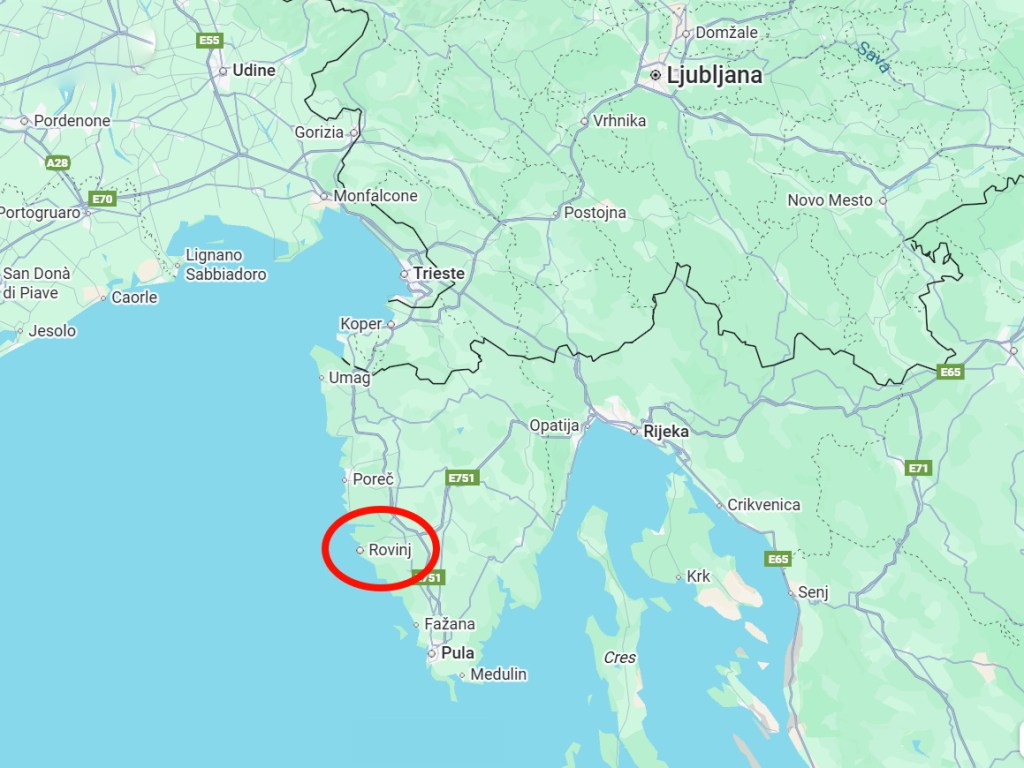
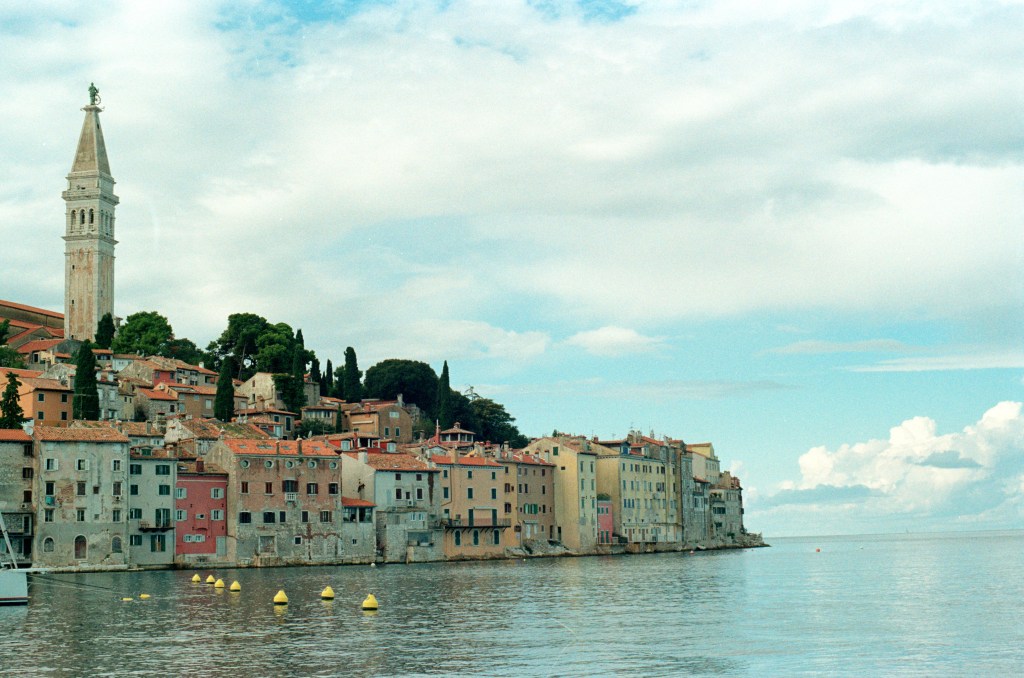
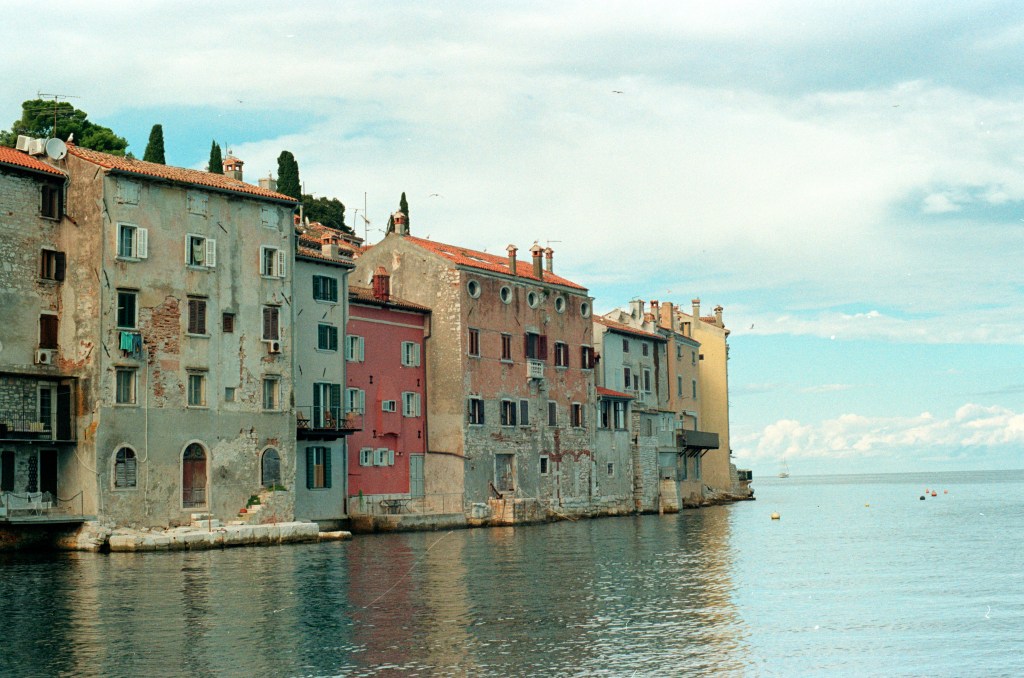
Rovinj is a beautiful harbour town situated on the western coast of Istria. I think Rovinj was one of my favourite locations. The pastel coloured town walls falling down into the sea was certainly beautiful and full of character.

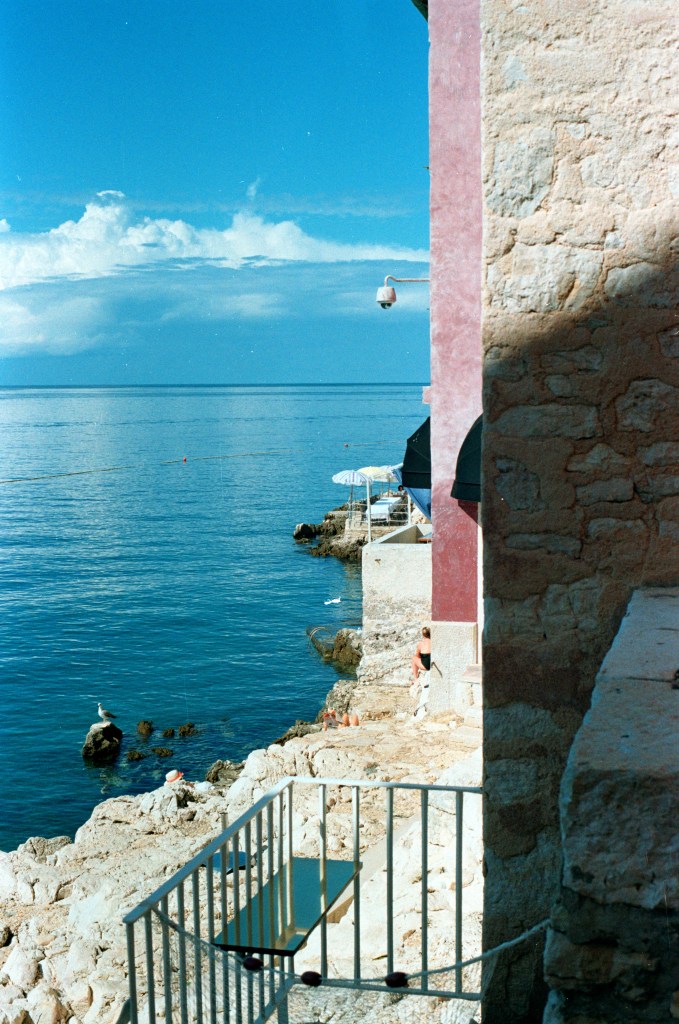


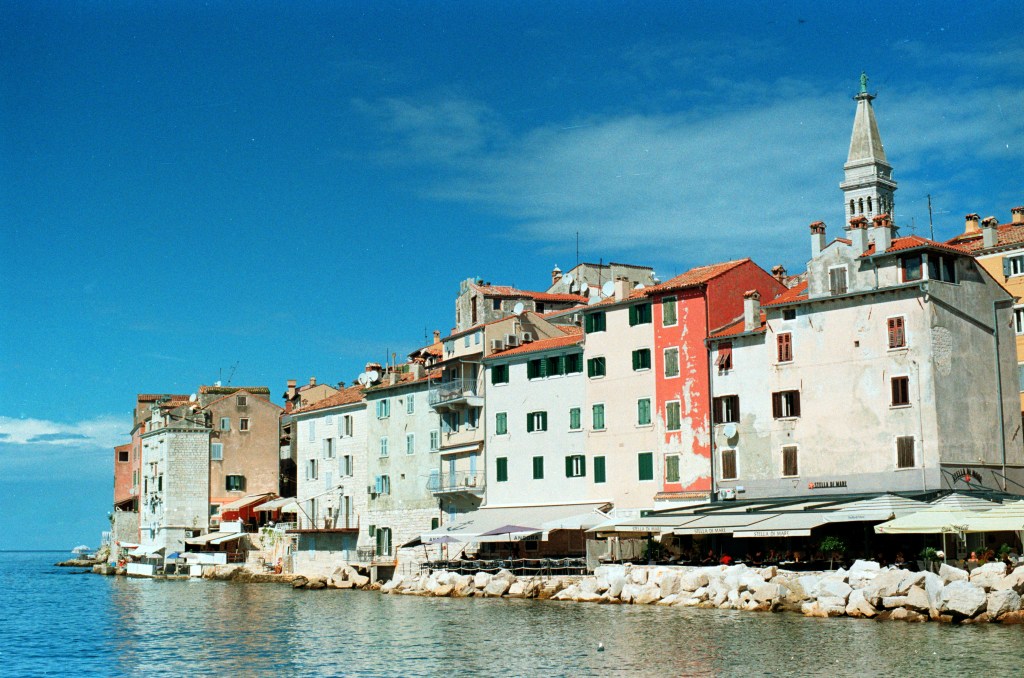
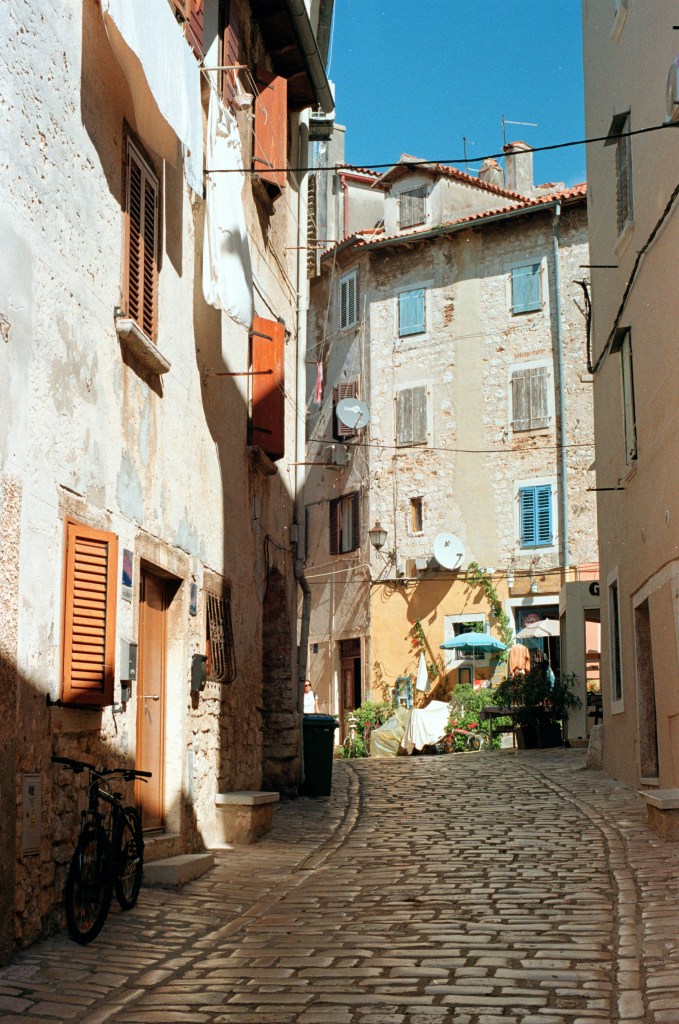
The second town we visited on this day was Vrsar. Vrsar didn’t prove to be very photogenic after visiting Rovinj.
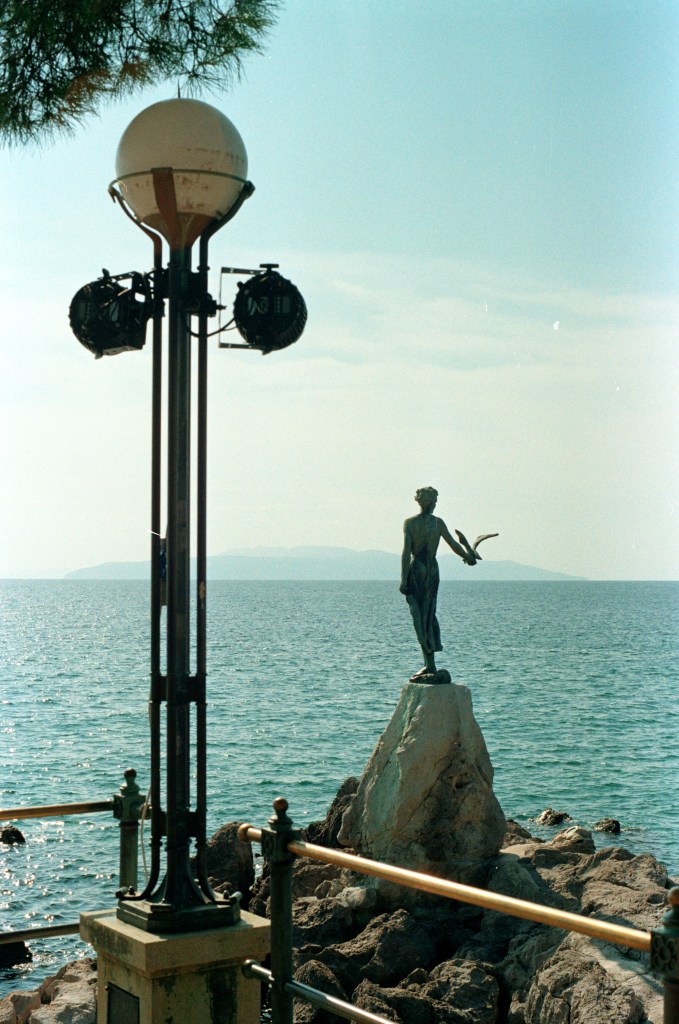
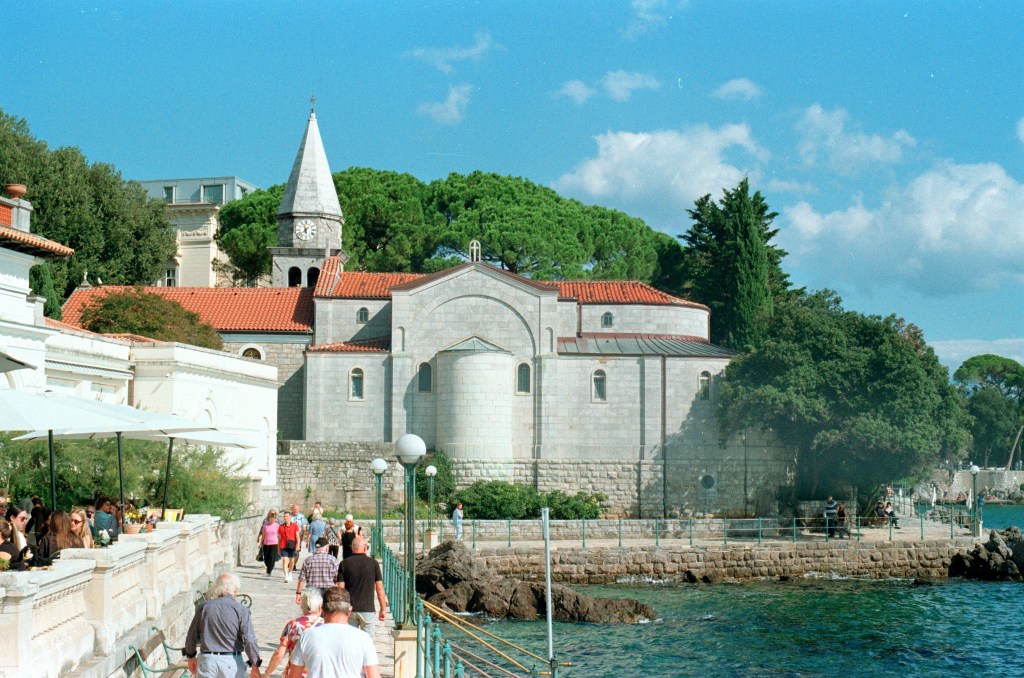
Day 7 – Opatija
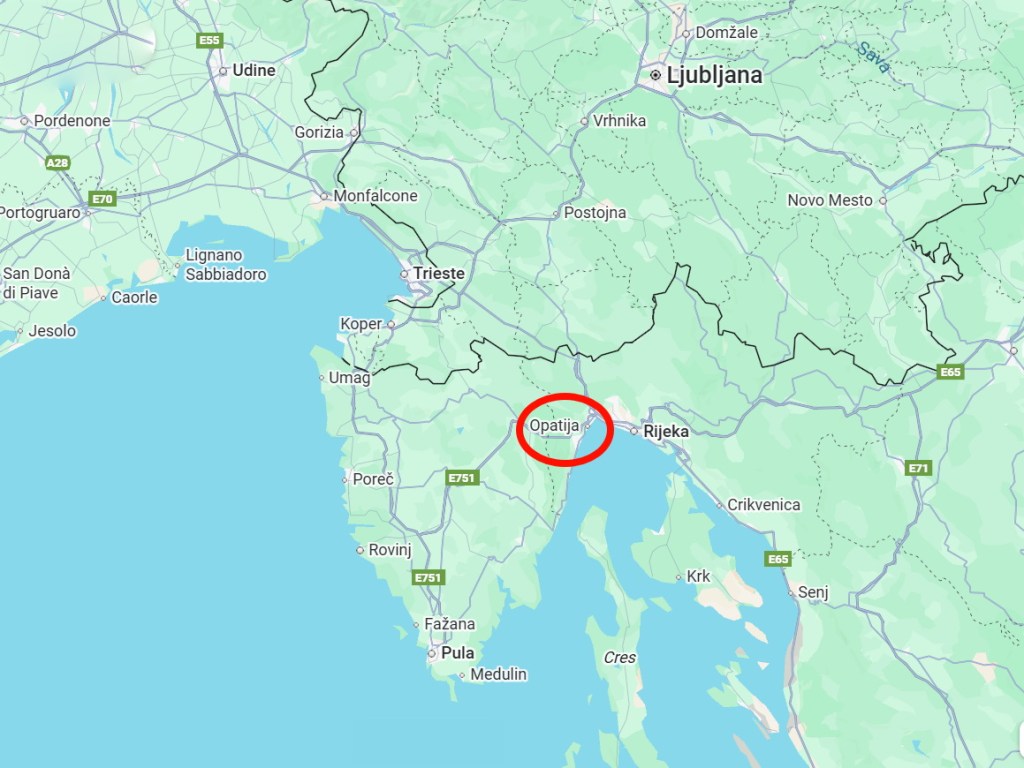
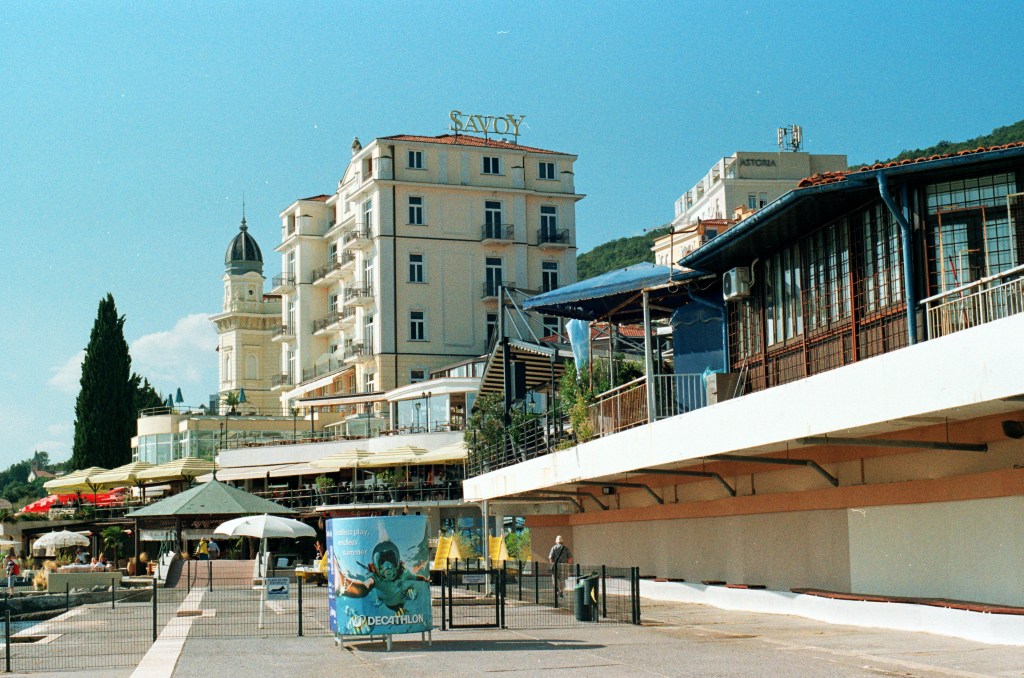
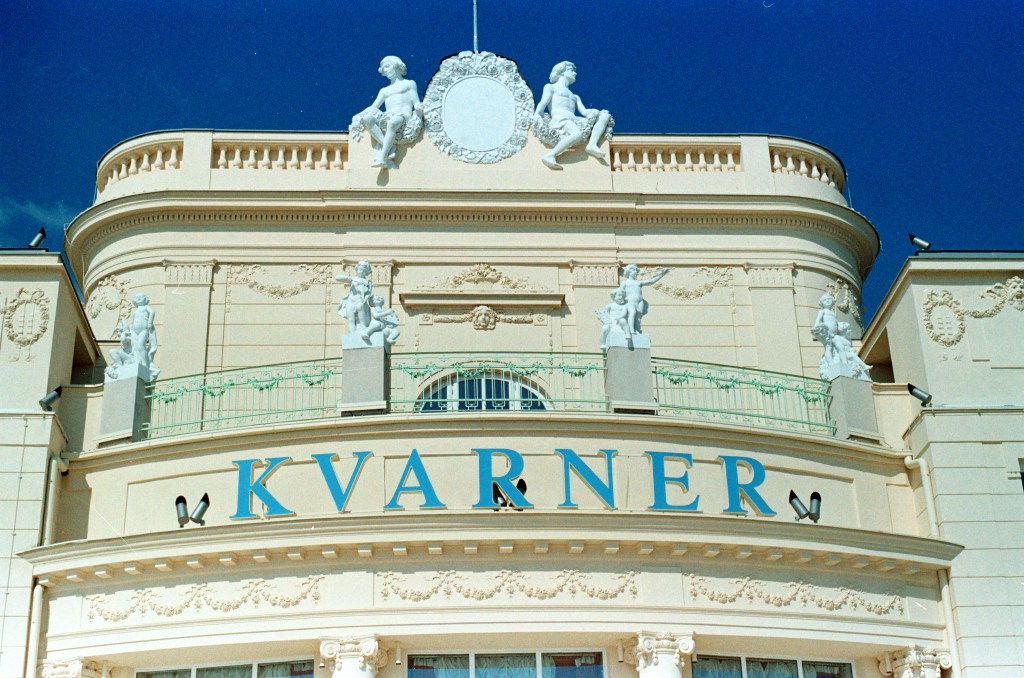
A fashionable resort in the 19th century, Opatija is dotted with Habsburg-era villas. The promenade that snakes along the coastline offers views of the town and neighboring islands. The 1800s Villa Angiolina is set in a garden of exotic plants. Parts of St. Jacob’s Church date from the 16th century.
Opatija, was the most chic seaside resort for the Austro-Hungarian elite during the days of the Austro-Hungarian Empire – as evidenced by the many handsome belle époque villas built in the town.

Day 8 – Pula
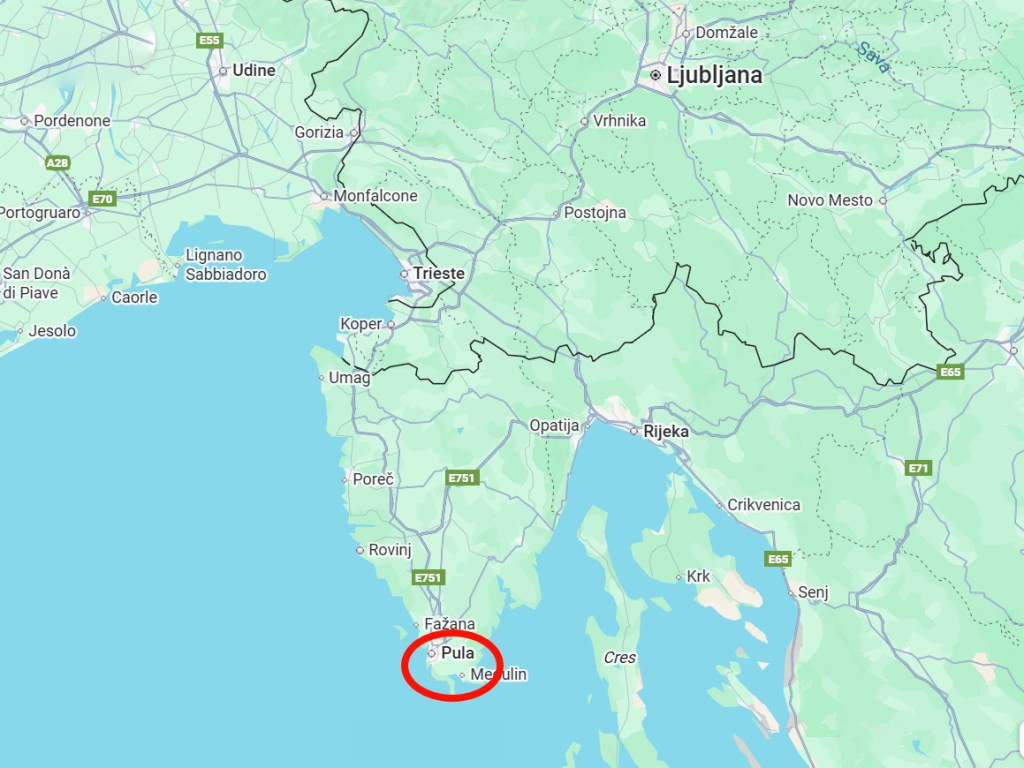
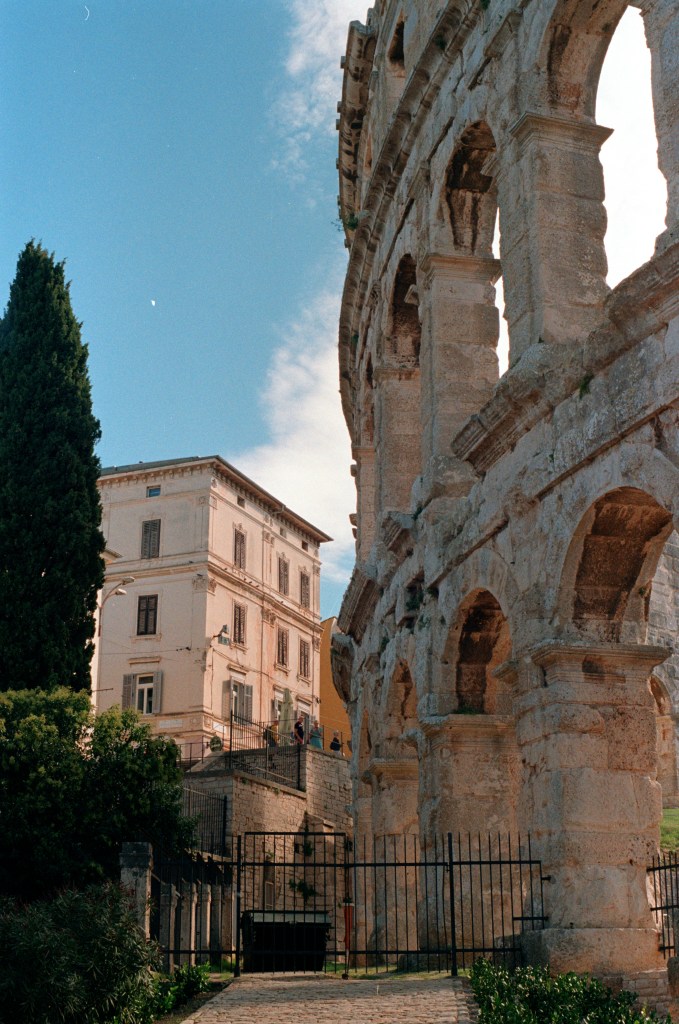
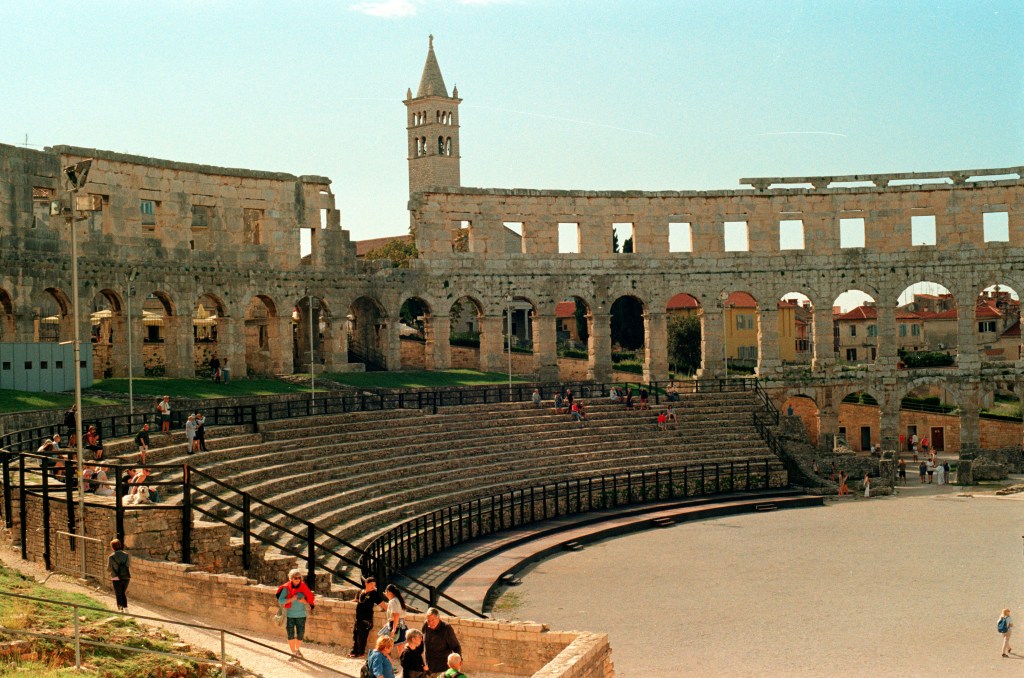
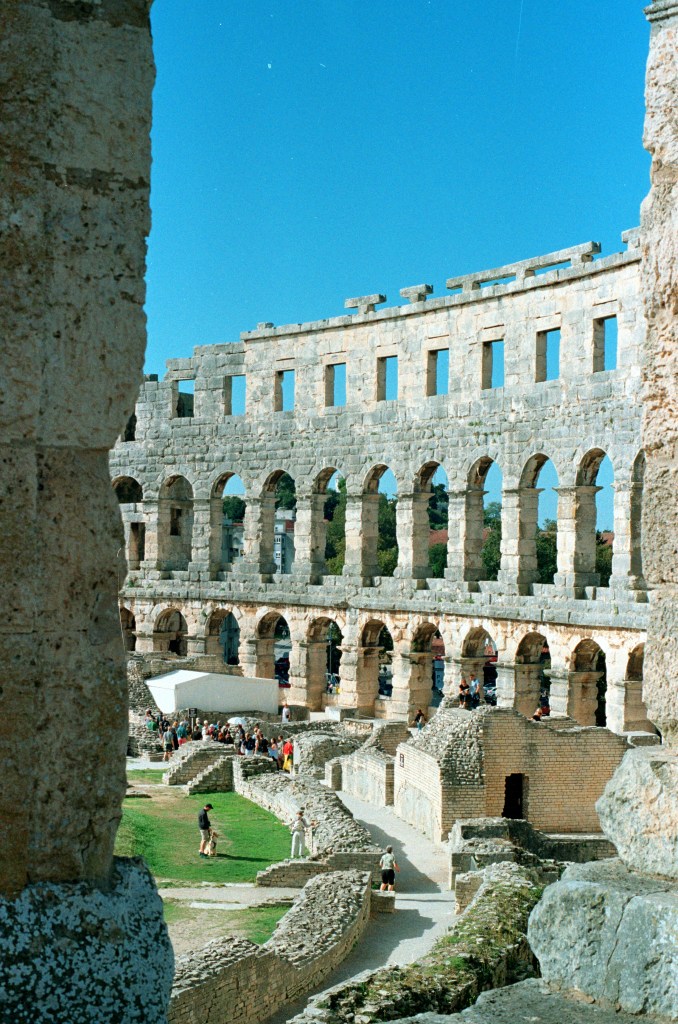
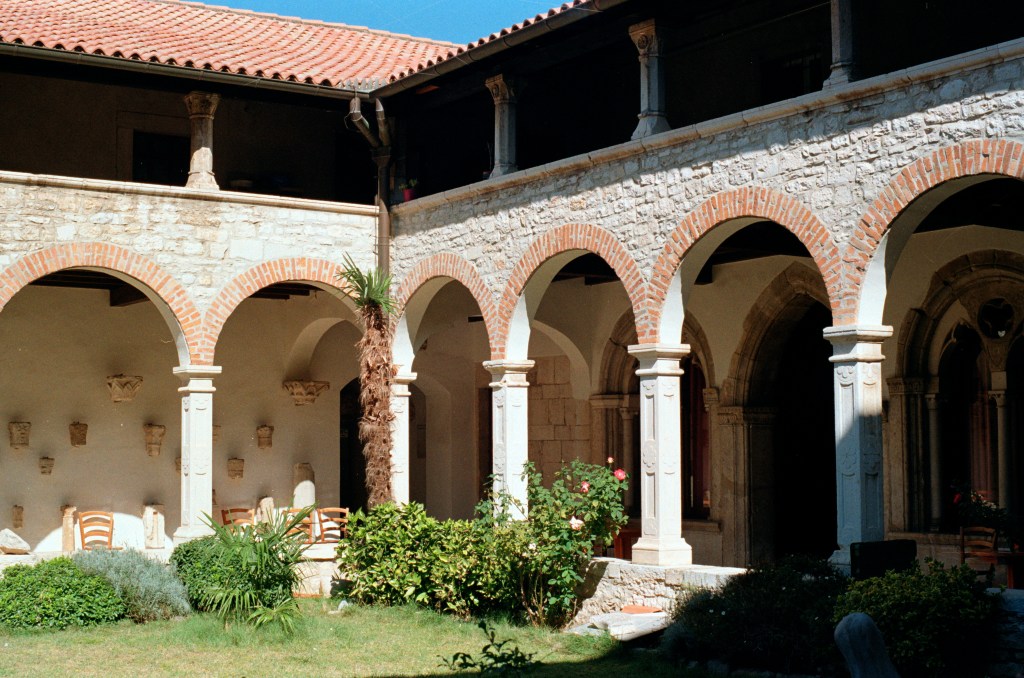
Once the Austro-Hungarian Empire’s chief naval base, Pula is an combination of working port and brash Riviera town. The Romans put the city firmly on the map, by building an impressive amphitheatre whose well-preserved remains are the city’s greatest attraction, though it’s just one of an easily accessible cluster of historical sights in the city centre.
At the top of this central hill, which the Old Town kind of wraps itself around, sits a citadel . The fortification of this central hill also goes back to Roman times, but was mainly constructed during the 15th century by the Venetians.
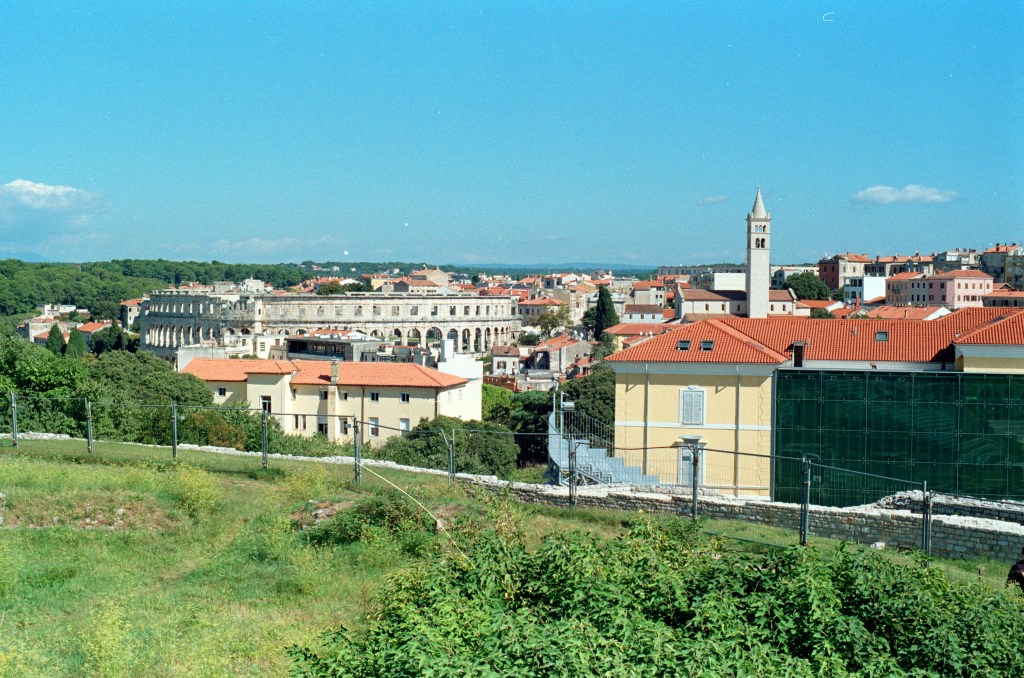
Day 9 – Piran
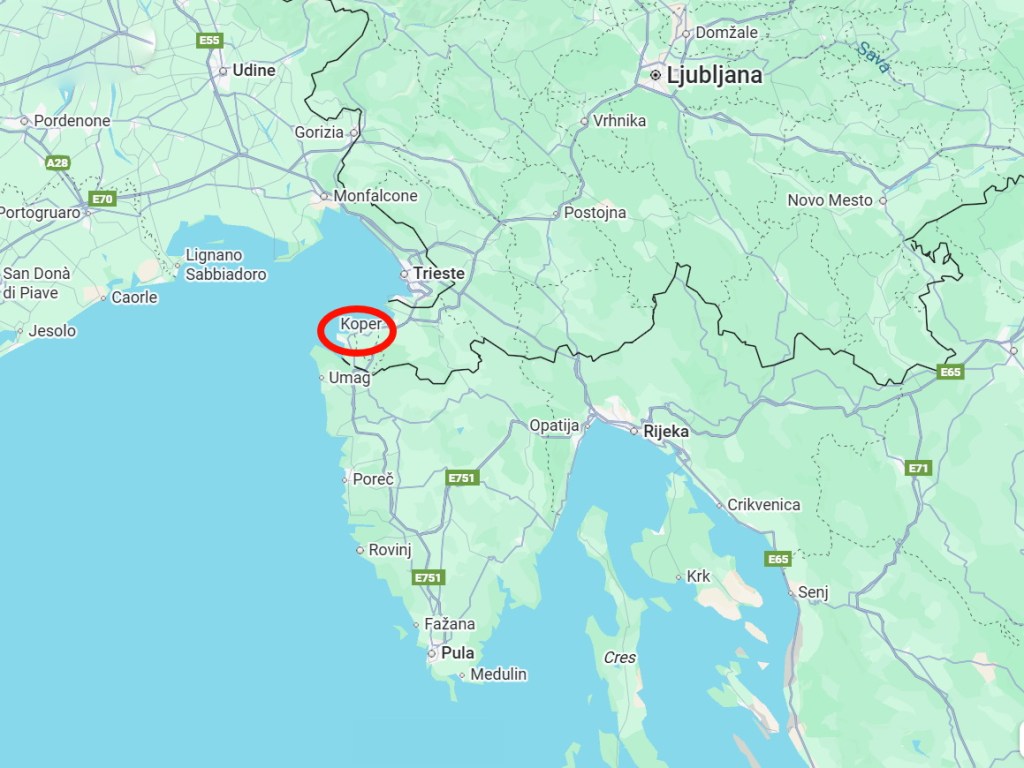
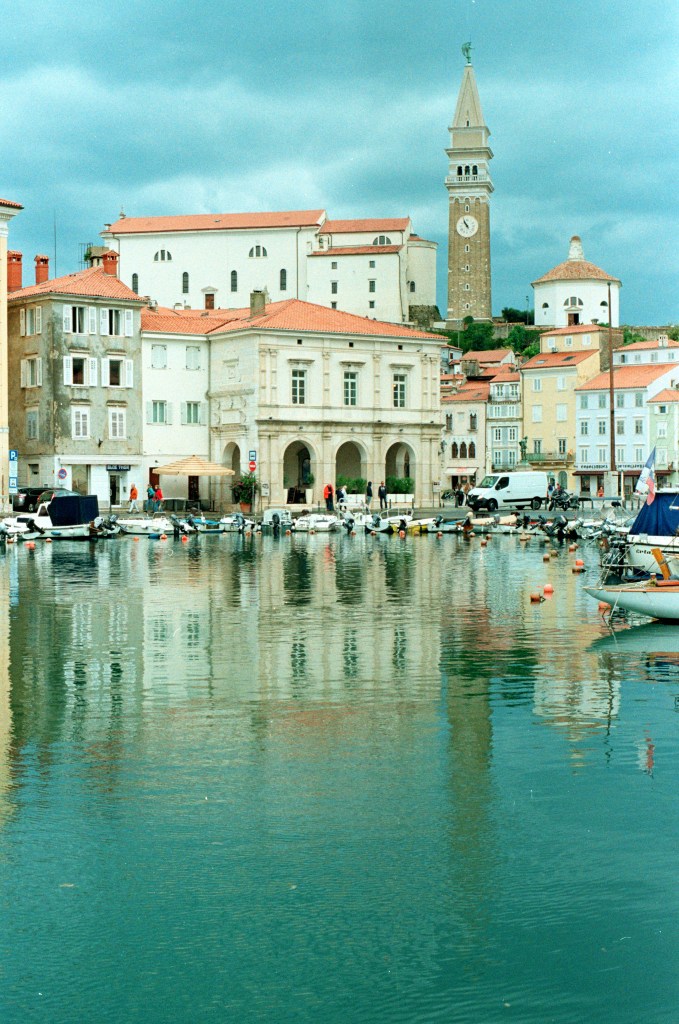
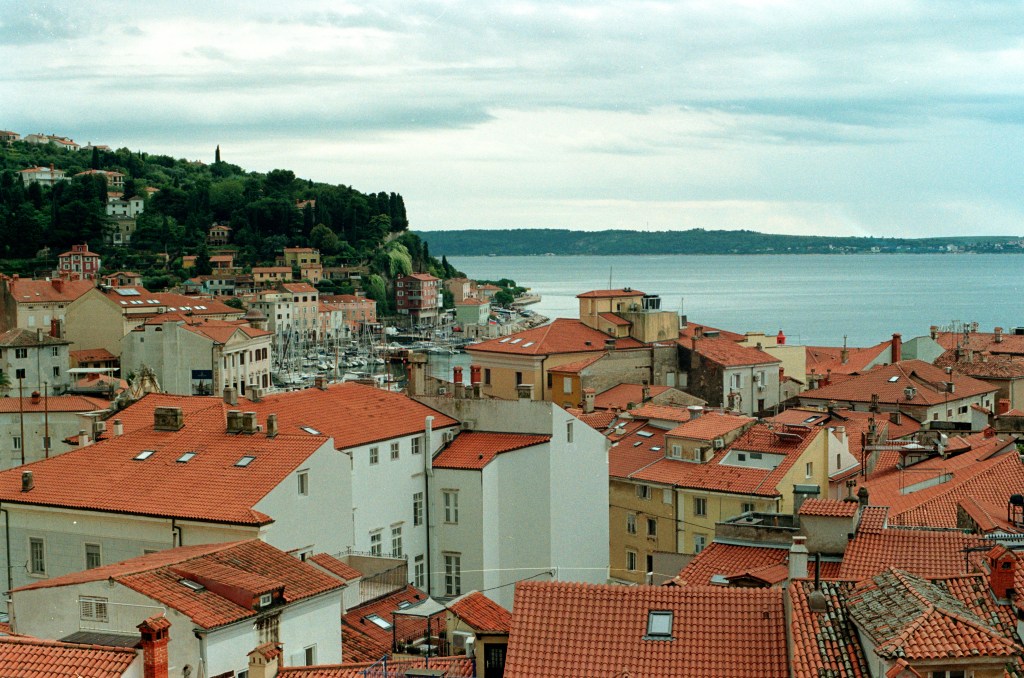
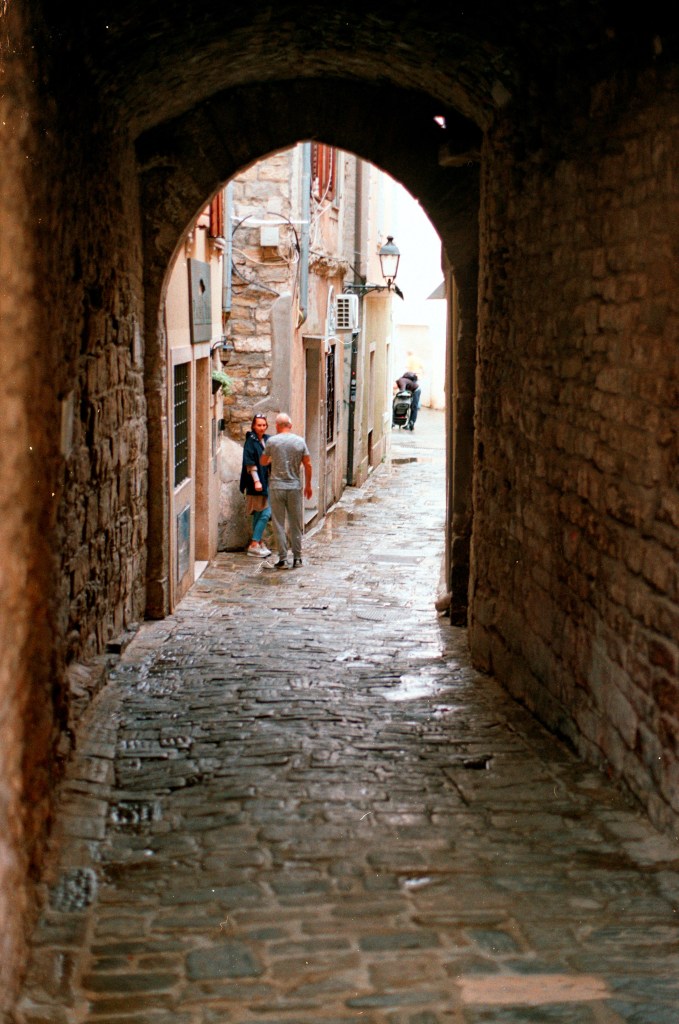
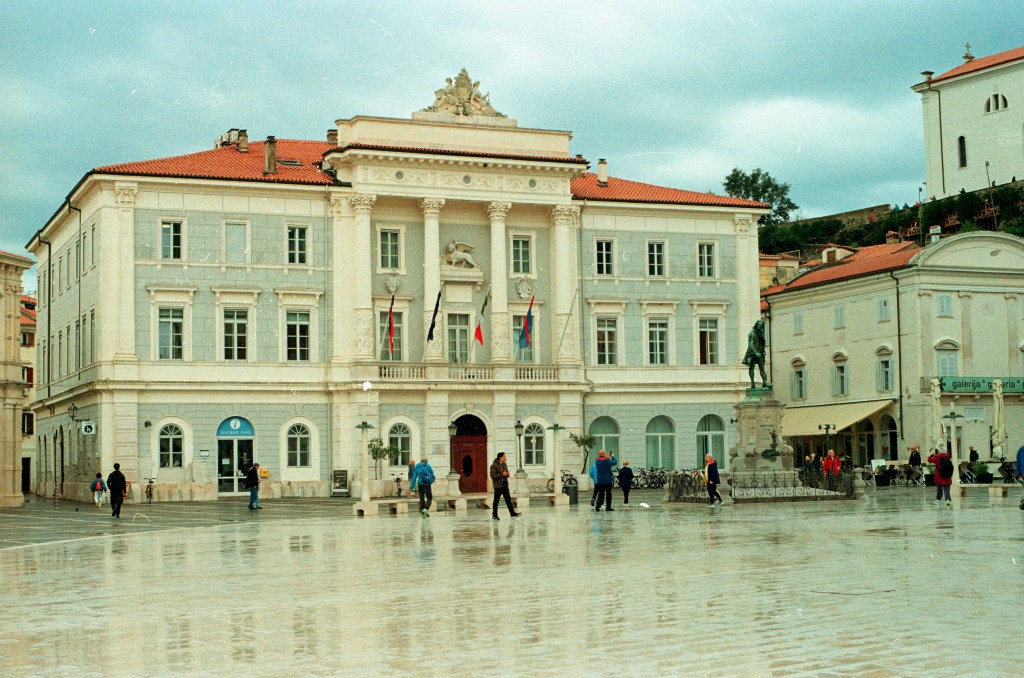
Piran is a resort city on Slovenia’s Adriatic coast, known for its long pier and Venetian architecture. Tartini Square is flanked by the Gothic red Venetian House and the frescoed Tartini House. The latter is the birthplace of violinist Giuseppe Tartini. The 19th-century town hall has a stone lion, a symbol of the former Republic of Venice. St. George’s Cathedral, nearby, has 17th-century paintings and marble altars.
Day 10 to day 12
The next 3 days are taken up with travelling back through Slovenia, Austria, Germany and Belgium to catch the ferry back to England.
 Nicks Pics
Leave a reply to Reginald Fell Cancel reply